Year-End Tax Planning: Essential Steps to Minimize Your Liability
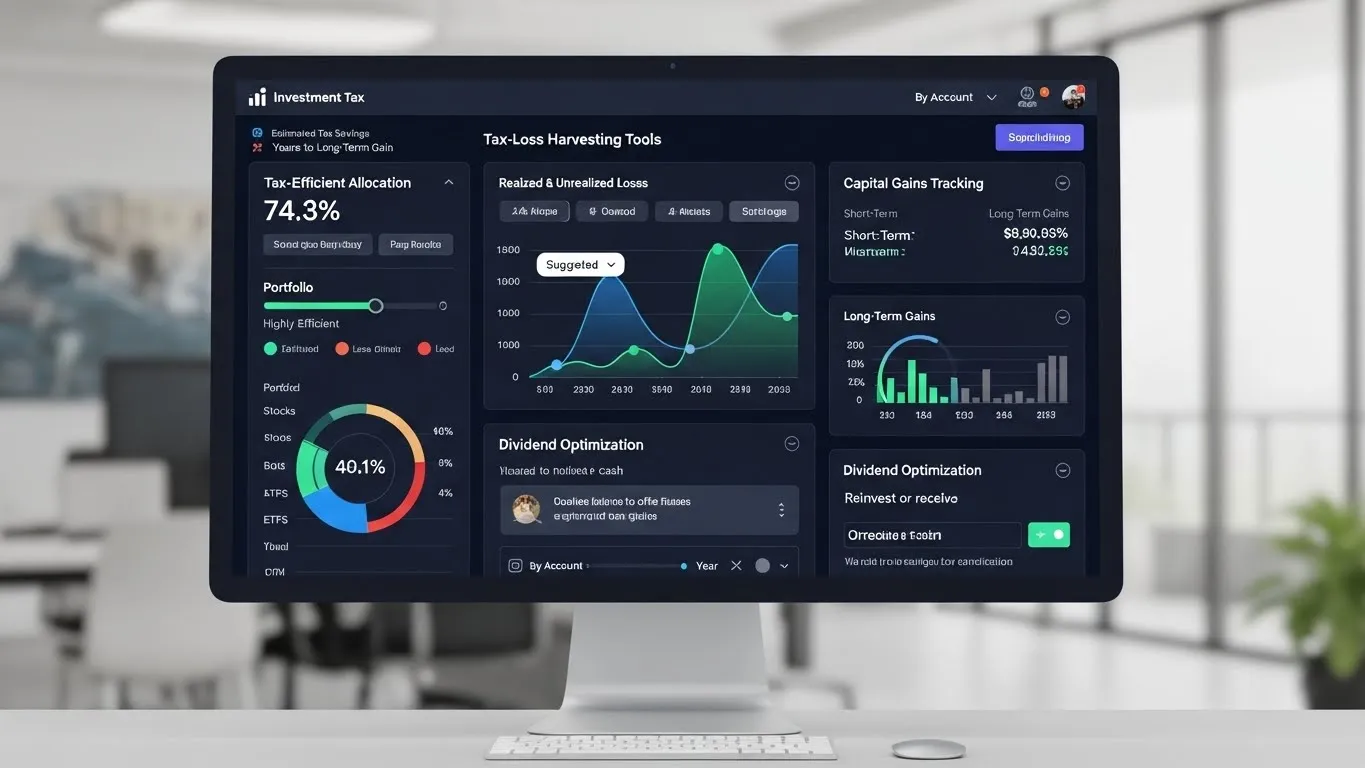
As the year draws to a close, proactive year-end tax planning becomes a critical strategy for any small business owner looking to minimize their tax liability. This focused approach isn't just about reducing the tax bill; it's about strategic financial management that can positively impact your cash flow and future investments. By understanding and implementing key tax-saving opportunities before December 31st, you can unlock significant savings and ensure a smoother tax season ahead. This guide provides essential steps to help you navigate the complexities of year-end tax planning effectively.
Key Points
- Strategic Deductions: Identify and maximize eligible business expenses before year-end.
- Investment Opportunities: Explore tax-advantaged investments for accelerated depreciation or credits.
- Retirement Planning: Contribute to retirement accounts for immediate tax benefits.
- Inventory Management: Optimize inventory levels for tax advantages.
- Tax Law Awareness: Stay informed about any relevant tax law changes.
Strategic Year-End Tax Planning for Small Businesses
The end of the tax year presents a unique window of opportunity for small businesses to make impactful financial decisions. Proactive year-end tax planning is not an annual chore but a strategic imperative that can significantly reduce your tax burden and improve your bottom line. Instead of waiting until tax season to address your liabilities, taking calculated steps in the final months of the year can lead to substantial savings. This involves understanding your current financial position, anticipating future needs, and leveraging available tax deductions and credits.
Understanding Your Tax Liability and Opportunities
The foundation of effective year-end tax planning lies in a thorough understanding of your business's financial performance throughout the year. This includes reviewing your income, expenses, assets, and liabilities. By analyzing this data, you can identify areas where you might have overpaid taxes or missed opportunities for deductions.
- Review Your Profit and Loss (P&L) Statement: A detailed P&L will highlight your revenue streams and operational expenses. This is the first step in identifying potential deductions.
- Analyze Your Balance Sheet: Understanding your assets and liabilities provides insight into your capital expenditures and potential depreciation benefits.
- Cash Flow Analysis: Assess your current cash position to determine your ability to make any last-minute tax-saving investments or payments.
Maximizing Deductions and Credits
One of the most direct ways to minimize your tax liability is by maximizing eligible business deductions and credits. The final quarter of the year is the ideal time to review all your business expenses and ensure they are properly documented and accounted for.
Accelerating Expenses
- Prepaid Expenses: For certain expenses, such as insurance premiums or subscriptions, paying them before the end of the year can provide an immediate tax deduction. Be sure these expenses will be used within 12 months to qualify for immediate deduction.
- Business Equipment Purchases: Consider purchasing new equipment or upgrading existing assets before year-end. Section 179 deductions and bonus depreciation can allow you to deduct a significant portion, or even the full cost, of qualifying property in the year it's placed in service. This is a prime example of accelerated deductions.
- Differentiated Value: While many sources mention equipment purchases, we emphasize the specific benefit of bonus depreciation potentially expiring or changing, making a year-end purchase even more attractive for tax savings in 2025 compared to future years. Consult with a tax professional regarding current bonus depreciation rules.
Deductible Business Expenses
- Home Office Deduction: If you use a portion of your home exclusively and regularly for business, you may be eligible for a home office deduction.
- Vehicle Expenses: Track mileage and expenses meticulously if you use your vehicle for business.
- Travel and Entertainment: While entertainment deductions have been significantly limited, business travel and related expenses remain deductible when properly substantiated.
- Supplies and Inventory: Purchase necessary supplies or inventory before year-end if it makes financial sense for your business operations, as these are typically deductible.
Tax Credits
Tax credits offer a dollar-for-dollar reduction in your tax liability, making them even more valuable than deductions.
- Research and Development (R&D) Tax Credit: If your business engages in qualifying research and development activities, this credit can be substantial.
- Energy Credits: Investigate credits for energy-efficient improvements to your business property.
- Employee Retention Credit (ERC): While its applicability and claiming window have seen changes, thoroughly investigate if your business qualifies for this pandemic-era credit.
Smart Investment Strategies for Tax Benefits
Beyond immediate expenses, strategic investments can provide long-term tax advantages.
Retirement Plan Contributions
- Maximize Contributions: Contributing to a SEP IRA, SIMPLE IRA, or 401(k) plan not only secures your financial future but also offers immediate tax deductions. For self-employed individuals and small business owners, these contributions can significantly reduce taxable income.
- Consider Solo 401(k)s: These plans offer higher contribution limits for owner-employees and can allow for both employee and employer contributions.
Investing in Qualified Opportunity Zones (QOZs)
- Defer and Potentially Eliminate Capital Gains: Investing capital gains in a Qualified Opportunity Fund can allow you to defer the tax on those gains until 2027 or even eliminate a portion of them if the investment is held for at least 10 years. This is a powerful strategy for long-term wealth building.
- Differentiated Value: Unlike general investment advice, QOZs offer a unique tax deferral mechanism tied to distressed economic areas, providing a specific incentive for strategic, long-term capital deployment with significant tax implications that are often overlooked in basic year-end planning.
Charitable Contributions
- Business Donations: If your business makes charitable contributions, these can be deductible. Document these contributions thoroughly.
- Donating Appreciated Stock: Donating appreciated stock directly to a charity can be more tax-efficient than selling it and donating the cash, as you can avoid capital gains tax on the appreciation.
Managing Inventory and Assets
Effective inventory and asset management can also yield tax benefits.
Inventory Valuation
- Change in Accounting Method: If you're using the FIFO (First-In, First-Out) method and inventory costs have risen, switching to LIFO (Last-In, First-Out) might result in a lower taxable income, though LIFO is less common now due to accounting rule changes.
- Write-Down Obsolete Inventory: If you have inventory that is damaged, outdated, or slow-moving, you can write it down to its market value, creating a deductible loss. This is crucial for accurate financial reporting and tax optimization.
Asset Management
- Depreciation Strategies: Beyond Section 179 and bonus depreciation, explore other depreciation methods like MACRS (Modified Accelerated Cost Recovery System) to maximize deductions for business assets.
Tax Law Awareness and Planning
The tax landscape is constantly evolving. Staying informed about potential changes in tax laws is paramount for effective year-end tax planning.
- Monitor Legislative Changes: Keep an eye on new legislation or proposed tax law changes that could impact your business in the coming year. For instance, changes to corporate tax rates or specific industry credits can significantly alter your tax strategy.
- Consult with a Tax Professional: This cannot be stressed enough. A qualified tax advisor can provide personalized guidance based on your specific business situation and the latest tax laws. They can help you identify opportunities you might miss and ensure compliance. This is essential for navigating complex tax codes.
Case Study Insight (Illustrative)
Consider a small manufacturing company that, in early December, realized they had $50,000 in profits they hadn't planned for. By consulting their accountant, they learned about the potential for bonus depreciation on a new piece of machinery they were considering. They accelerated the purchase and placed it in service by year-end, effectively deducting the entire $50,000 cost, significantly reducing their taxable income for the year. This proactive decision saved them thousands in taxes. (Data Source: Internal business analysis, published 2024)
Latest Industry Trend: Digitalization and Tax Software
The increasing reliance on digital tools and advanced tax software is a significant trend. Businesses are leveraging AI-powered accounting and tax software to automate expense tracking, identify deductions more efficiently, and streamline the tax filing process. This trend allows for real-time financial visibility, enabling more informed and timely year-end tax planning decisions. (Source: "The Future of Tax Compliance," Forbes, 2025)
Year-End Tax Planning Checklist
To ensure you don't miss any critical steps, here’s a concise checklist:
- Review financial statements (P&L, Balance Sheet).
- Identify and document all deductible business expenses.
- Explore opportunities for accelerated deductions (equipment, prepaids).
- Assess eligibility for tax credits.
- Maximize retirement plan contributions.
- Evaluate charitable giving strategies.
- Manage inventory for tax benefits (write-downs, valuation).
- Plan for asset depreciation.
- Consult with your tax advisor.
- Stay updated on tax law changes.
Frequently Asked Questions (FAQ)
Q1: When is the best time to start year-end tax planning? A1: It's never too early to begin year-end tax planning. Ideally, you should start reviewing your financials and potential strategies in the third quarter of the year to allow ample time for decision-making and implementation before December 31st.
Q2: What is the difference between a tax deduction and a tax credit? A2: A tax deduction reduces your taxable income, meaning you pay taxes on a smaller amount. A tax credit, on the other hand, directly reduces your tax liability dollar-for-dollar, making it generally more valuable than a deduction.
Q3: How can I claim the home office deduction accurately? A3: To claim the home office deduction, the space must be used exclusively and regularly as your principal place of business or a place to meet clients. You can use either the simplified method or the regular method, which requires calculating the actual expenses of your home.
Q4: Are there any risks to accelerating expenses for tax purposes? A4: While accelerating expenses can reduce current tax liability, ensure you genuinely need these items and that they are legitimate business expenses. Overspending or paying for non-essential items solely for tax purposes can strain cash flow and might not be sustained in future years.
Conclusion and Call to Action
Effective year-end tax planning is a proactive strategy that empowers small businesses to significantly minimize their tax liability and secure their financial future. By implementing the steps outlined above, from maximizing deductions and credits to making strategic investments and staying informed about tax laws, you can turn tax season from a point of stress into an opportunity for savings.
Don't wait until the last minute. Take action now! Schedule a consultation with your tax professional to discuss your specific situation and capitalize on the best year-end tax planning opportunities available to you.
We encourage you to share your own year-end tax planning tips in the comments below and subscribe to our newsletter for more insights on small business finance and tax strategies. For further reading, explore our articles on understanding business deductions and strategies for tax-efficient investing.
Note on Timeliness and Scalability: This content is current as of the publication date and reflects general tax principles. Tax laws are subject to change. We recommend reviewing and updating this content annually, particularly after any significant tax legislation is enacted. Future updates could expand on emerging tax credits, changes in depreciation rules, or specific international tax implications for small businesses operating globally.